
Bed bugs can be a persistent problem for homeowners. Understanding their behavior and identifying them properly is essential for effective control. Many homeowners seek DIY solutions to manage infestations.
Various techniques are available, from cleaning strategies to natural treatments. However, success often depends on detailed preparation and follow-through.
What steps can one take to guarantee a thorough approach to eradication? The answer lies in proven methods that can make a significant difference.
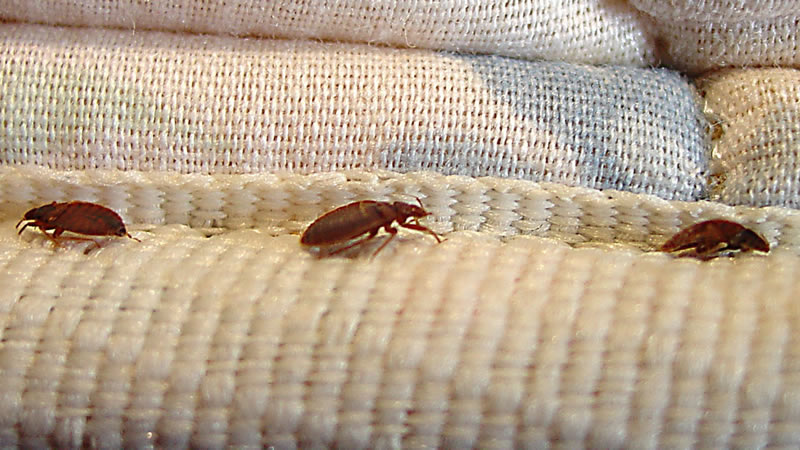
Bed bugs are small, reddish-brown insects that thrive in human habitats, primarily feeding on blood. Adult bed bugs measure about a quarter-inch in length, resembling an apple seed.
They are nocturnal, becoming active at night to feed, and tend to hide in cracks and crevices during the day. Their presence is often detected by small, dark spots of excrement or shed exoskeletons. Bed bugs reproduce quickly, with females laying up to five eggs daily.
Understanding their behavior and habits is essential for effective identification, enabling homeowners to recognize an infestation early and take necessary actions to control it.
Before beginning any treatment for bed bugs, it is essential to prepare the home adequately to maximize effectiveness.
This preparation involves decluttering, washing bedding and clothing, and vacuuming thoroughly.
Homeowners should also consider isolating affected furniture and sealing cracks to prevent the spread of bed bugs.
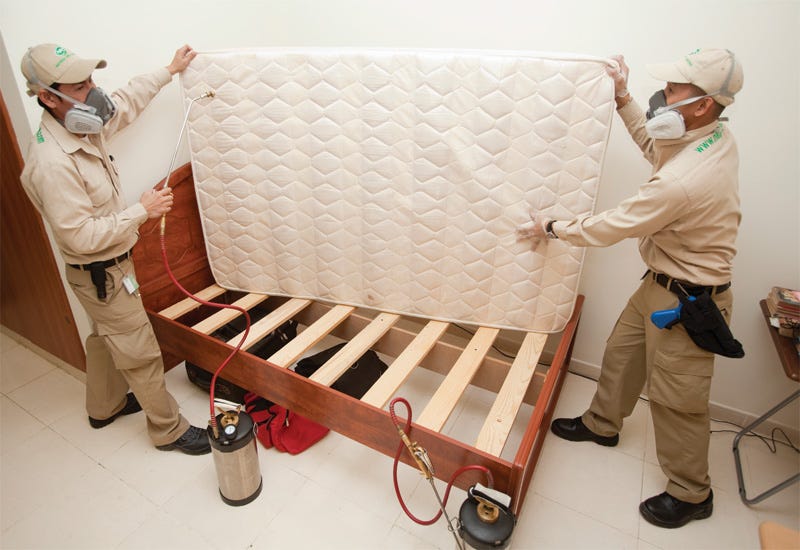
Effective DIY treatment methods for combating bed bugs can considerably reduce infestations when executed properly. Homeowners can employ techniques such as vacuuming infested areas thoroughly, followed by immediate disposal of the vacuum bag.
Washing and drying bedding and clothing on high heat effectively kills bed bugs at all life stages. Additionally, using steam cleaners on mattresses, carpets, and furniture can penetrate and eliminate hidden bugs. Boric acid and diatomaceous earth serve as effective powders that disrupt the bugs' exoskeleton, leading to dehydration.
Regularly inspecting and sealing cracks and crevices can further enhance the effectiveness of these methods in controlling bed bug populations.
While treating an existing bed bug infestation is essential, preventing future occurrences is equally important. Homeowners should adopt proactive measures to safeguard their living spaces. Regularly inspecting used furniture and clothing before bringing them indoors can greatly reduce the risk of introducing bed bugs.
Maintaining a clutter-free environment allows for easier monitoring and cleaning. Additionally, encasing mattresses and box springs in protective covers helps deter infestation. Frequent vacuuming and washing bedding in hot water further minimizes potential hiding spots for these pests.
By implementing these preventative strategies, homeowners can effectively reduce the likelihood of future bed bug infestations.
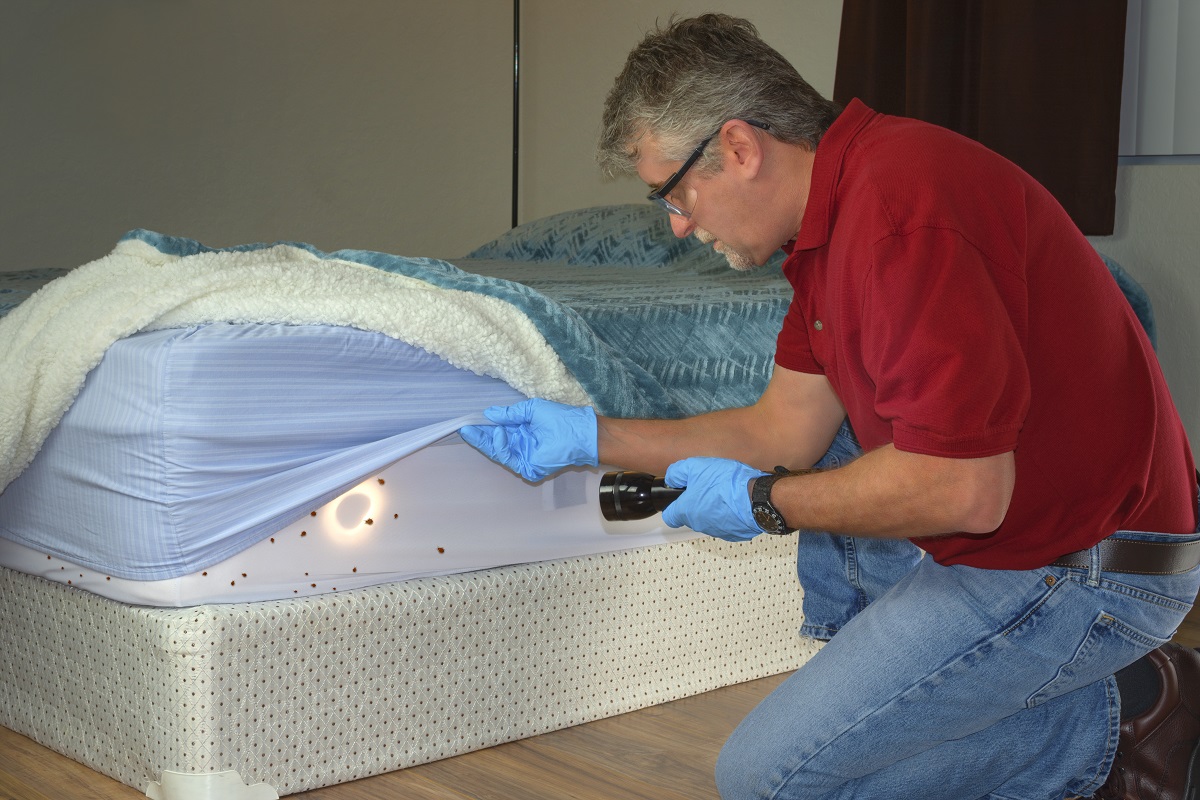
When a bed bug infestation becomes overwhelming or difficult to manage, homeowners should consider seeking professional help. Indicators that it may be time to call experts include persistent bites despite DIY efforts, a rapidly increasing bug population, or difficulty identifying the extent of the infestation.
Professionals possess specialized knowledge, tools, and pesticides that are often more effective than store-bought solutions. Additionally, they can offer extensive inspections to locate hidden infestations, ensuring a thorough treatment.
Ignoring the problem can lead to further spread and increased costs, making timely intervention essential for restoring a comfortable living environment.
To maintain a bed bug-free home, regular vigilance and preventative measures are essential. Homeowners should conduct routine inspections of bedding, furniture, and hidden crevices, looking for signs of infestation such as shed skins or small dark spots.
Frequent laundering of bed linens and vacuuming carpets can help eliminate potential hiding spots. Sealing cracks and using protective mattress covers also serve as effective barriers. Additionally, minimizing clutter reduces potential habitats for bed bugs.
If traveling, inspecting hotel rooms and keeping luggage elevated can prevent bringing these pests home. By implementing these strategies consistently, homeowners can considerably reduce the risk of reinfestation.
Bed bugs can survive for several months without feeding, typically ranging from two to six months under ideal conditions. Their resilience allows them to endure periods of starvation by entering a state of dormancy. Factors such as temperature and humidity can influence their lifespan without food, as warmer environments may shorten their survival time. Ultimately, these pests exhibit remarkable adaptability, making them challenging to eradicate once they infest a living space.
After a bed bug infestation, it is advisable to discard heavily infested items that cannot be effectively treated. This typically includes mattresses, box springs, and upholstered furniture, as these can harbor eggs and bugs. Additionally, personal items such as clothing, bedding, and rugs that are notably affected may also need to be disposed of. It is essential to seal these items in plastic bags before disposal to prevent further spread of the infestation.
Bed bugs can survive in cold temperatures, but their resilience has limits. Typically, exposure to temperatures below 50�F (10�C) can slow their activity and reproduction. However, they can endure colder conditions for short periods, particularly if they find shelter. Extended exposure to temperatures below freezing can be lethal to bed bugs, as prolonged cold can disrupt their biological functions. Consequently, while cold can hinder them, it is not an absolute deterrent.